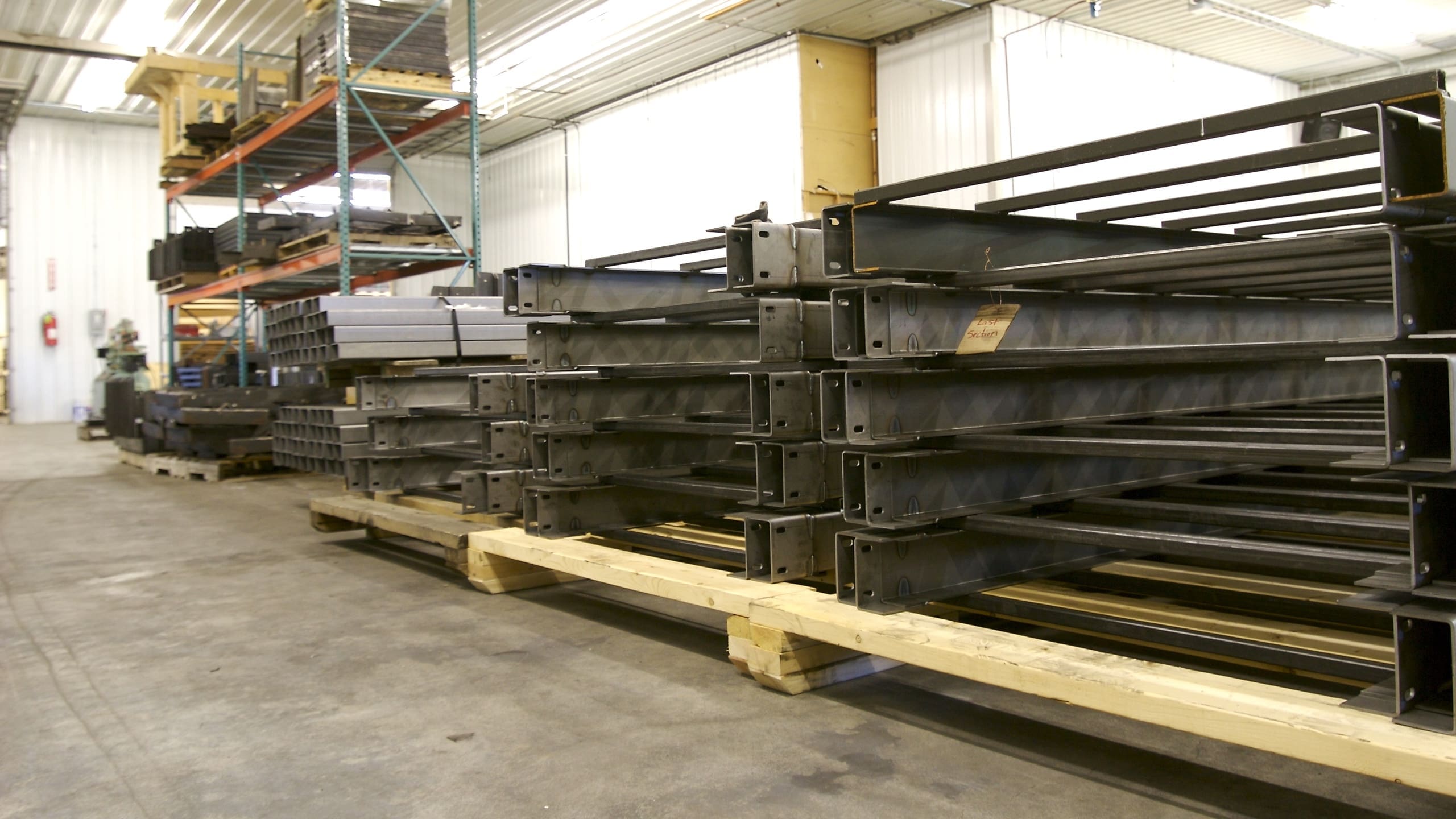
Each Hill Hiker® lift system is custom designed and built by hand in the USA to the exact characteristics of each customers’ hillside: including adherence to local and national building codes and desired options and capabilities.
Design | Manufacture | Install | Service
Hill Hiker, Inc. prides itself on its manufacturing and installation processes which DELIVERS the highest quality hillside elevator systems available.


The Hill Hiker, Inc. Process Overview
(click / hover for info)
1) System Needs Determined
System Needs Determined
- Initial Contact
- Site Visit (as needed)
- System Needs Determined
2) Design & Engineering
Engineering, Design & Permitting
- System Designed to Meet Needs
- Engineering & Permitting (as needed)
3) Fabrication & Material Finish
Fabrication & Material Finish
- High Grade Materials Ordered
- Metal Fabrication
- Exterior Rated Coating/Finish
4) Assembly, QC & Shipping
Assembly, QC & Shipping
- Steel & Electrical Components Assembled
- Quality Control Testing
- Packaging and Shipping
5) Installation
Installation
- Foundation (typically by others prior to elevator install)
- Supports and Track Installed
- Chassis, Car, Motor and Gear Box Mounted
- Electrical Wiring and Final Setup
6) Quality Assurance & Closeout
Quality Assurance & Closeout
- QC Testing
- Customer Closeout
- Landings Built (by others)
- Permit Inspections (as needed)
- Plan Routine Maintenance
A Deeper Look: Strong Foundation
One of the most important components of every outdoor inclined elevator is its foundation. The process of determining, designing and installing the proper foundation type for each hill’s unique features and soil conditions is critical to the strength, longevity and safety of the whole system. Hill Hiker, Inc. is one of the only companies that offers a full range of foundation options to best meet the challenges of any hillside.
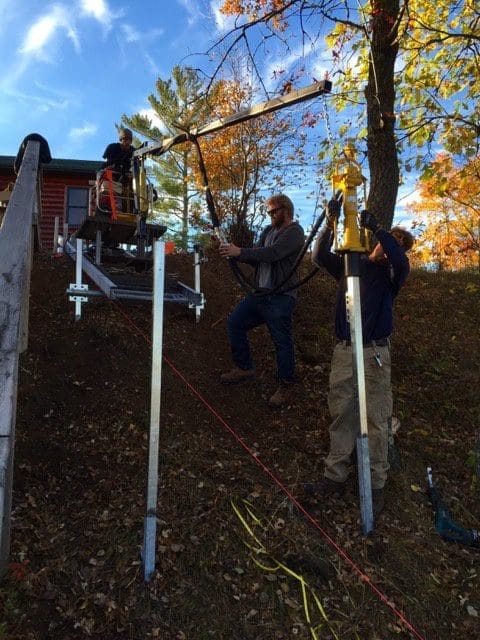
Hydraulic Piles
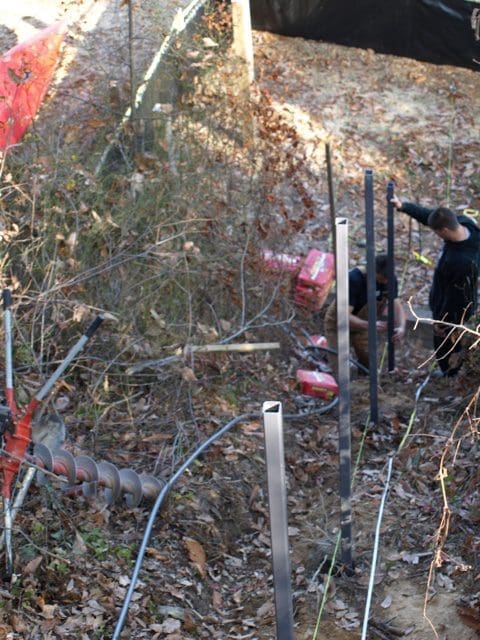
Buried Posts
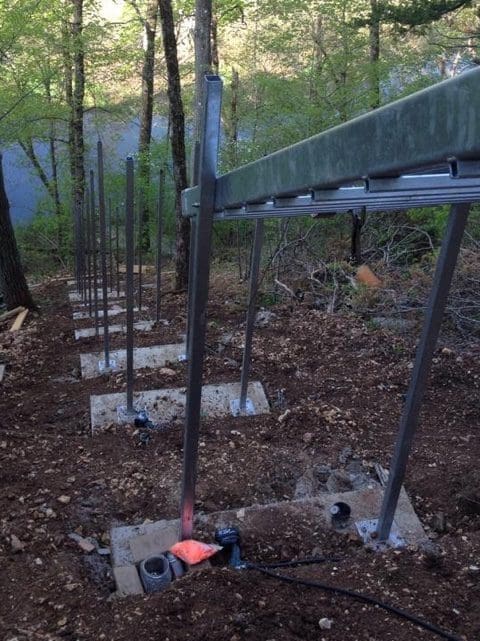
Step Footings
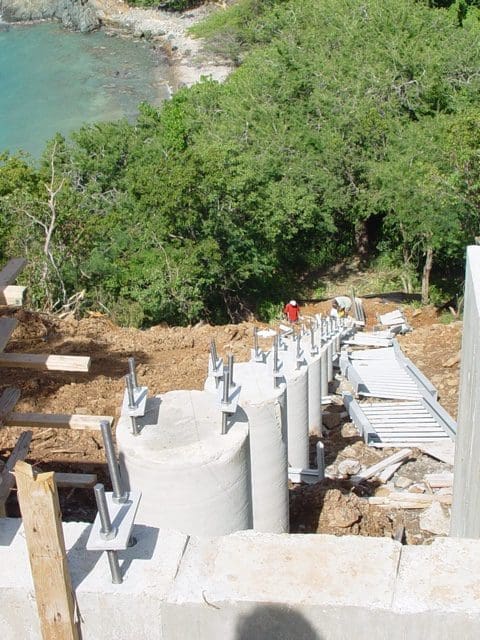
Columns
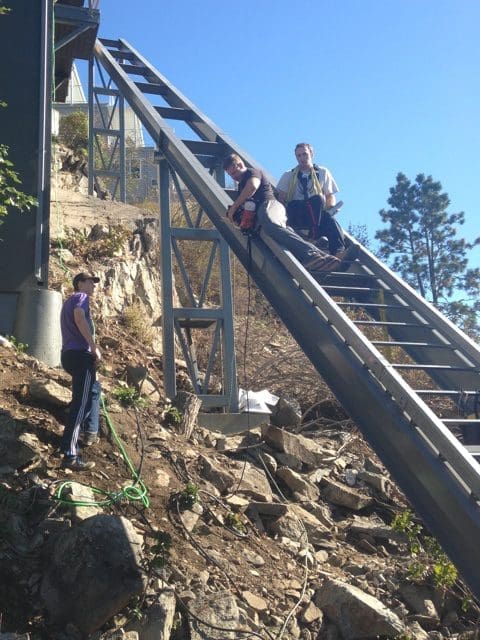
I-Beams
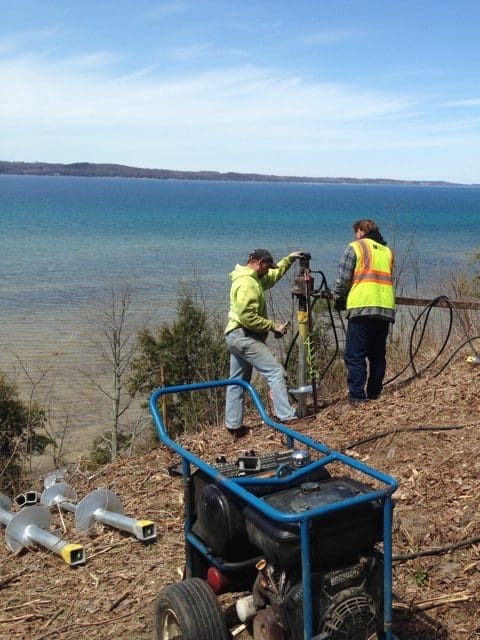
Helical Screws
Pre-Construction
Initial Contact and Site Visit
- Measure hill, determine incline of hillside
- Examine terrain, sample soils
Exact Location of System Determined
- Traffic flow to and from system
- Preservation of trees and vegetation
- Aesthetics and blending with landscape
Determine Custom System Needs
- Foundation requirements based on soils and site
- Size of system based on desired capacity
- Application type – residential vs. commercial
- Local building code requirements
- Customer desired options
Quote and Contract
- Prepare and present finial price and quote
- Reach agreement and sign contract
Contact Local Code Officials
- Begin permitting process
Collaborate and Plan Project
- Work with owner and/or architects and engineers as needed
- Setup Sub-Contractors as needed
- Schedule Pre-Construction meetings as needed
Develop Custom Order
- Create Engineering Drawings
- Place custom order for manufacturing
Manufacturing
Materials Ordered
- High grade standard steel, 304 or 316 stainless steel
- Custom mechanical parts
- Motor, gearbox, drum and electronics package
Custom Fabricate
- Hill Hiker® lift system built to desired specifications
- In house Capabilities – Sheet metal cutting, bending and shearing saves cost
- Precision Welding – Hill Hiker® shop technicians take pride in their craft
High Grade Finish
- Hill Hiker® lift system sent to receive high-grade powder coat paint and/or galvanization
Certified Electronics
- Hill Hiker® lift system electronic package built by qualified (UL) and licensed box shop
Components Assembled
- Hill Hiker® lift system components (car, chassis, motor & gearbox) assembled
Quality Control
- In-house inspection and testing performed
Shipping
- Entire system packaged for shipping
- Tram system sent via third party shipper or delivered by Hill Hiker® crew depending on location
Installation
Site work
- Clear hillside path for lift system
- Layout system location and footings
- Dig footings, motor and gearbox pad (as applicable)
Foundation
- Pour concrete posts or column footings
- Pour motor gearbox pad (as applicable)
Steel Structure
- Install column brackets or steel posts
- Hang/Install steel rails
- Cross brace posts as need for extra strength
Mechanical
- Place and secure motor and gearbox assembly
- Mount chassis and car
- Install cable
Electrical
- Hook up controller to power
- Wire and set limit switches
- Mount wireless communication
- Test safeties and controls
Landings
- Exit / Entry platforms at each landing station built by Others
- Railings and gates installed on each station by Others
Finalization
- State elevator inspection and permit closeout
- Closeout with owner – instructions and manuals
Frequently Asked Questions
Installation Process
The installation process involves three stages: pre-construction, manufacturing and installation. For a complete roadmap of the process, check out our project processes page. It gives a detailed and easy-to-read picture of how your system goes from concept to moving up and down a slope on your property.
Depending on your location, either a Hill Hiker, Inc. factory certified installation crew, a certified Hill Hiker® dealer or a certified local partner with on-site direction from a certified Hill Hiker, Inc. lead technician.
If you are in the US and looking for a residential system, check out our comprehensive table outlining state elevator permit and install requirements across all 50 states
Most likely, yes. We are truly a small, family company serving the world. From hard to reach places like a remote island with 40 foot tides to urban environments, our team can bring our systems to your country or state.
Here’s a map detailing our past and present projects. Don’t see your area on the map? Don’t fret. Our team is always looking to expand to new places.
In the market for a residential system in the US? Check out our comprehensive table outlining residential inclined elevator permitting, licensing, and installation requirements across all 50 states.
If your project is in North America, Central America, The Caribbean, Australia or New Zealand, we already have experience and units installed in your area. If your project is in the EU, we are currently in the process of obtaining the necessary CE product certification marks to begin offering our funicular trams and lifts in your area. If you’re anywhere else in the World, let’s talk, we would love to learn more about your project and see what we can do for you.
The number and types of permits required completely depend on the project location. In some regions, no permits are required at all, and in others, you may need permits from the state level all the way to the city and even neighborhood.
If you are building a residential system in the US, check out our 50-state permitting guide to see the specific elevator licensing and installation rules for your area.
Potential permit types:
– State/City Elevator Permit – for the safety of the elevator, based on ASME A17.1 5.1 or 5.4, pulled by Hill Hiker, inc. or Hill Hiker, Inc. Dealer.
– Local Building Permit – for elevator structure, pulled by local contractor, Hill Hiker, Inc. or Hill Hiker, Inc. Dealer.
– Electrical Permit – for electrical to the elevator, pulled by local licensed electrician.
– Specialty Permits – DNR, local waterways regulating agencies, Army Corp of Engineers, Hydro Power Companies, etc.
– Neighborhood Approvals – some communities require their own building approvals.
We have successfully installed our inclined elevator systems in some of the strictest places to work across the country including the City of Los Angeles and the State of Michigan. We have the first ever commercial or residential permitted inclined elevators in many States like Wisconsin, Maryland and Georgia. We have worked with organizations like the Smithsonian Institute, TVA (Tennessee Valley Authority), PGE (Pacific Gas & Electric), Thyssenkrupp and Louis Dreyfus Company.
Bottom Line: Hill Hiker, Inc. is well versed in these matters and has the experience and knowledge, not to mention the licenses and code compliant product, to get your project through the permit process.
Yes. We can visit the site to go over things. Every project is unique and some will require many site visits prior to installation while others will not require any sales or pre-construction visits. Depending on the location of your site we may ask for reimbursement for travel expenses. Generally we recommend:
An initial consultation on site with the owner present to determine the rough location of the Hill Hiker®, take measurements, determine the type of system required, answer any questions and discuss what to expect prior to or just after signing the contract.
Another site visit before construction on site is scheduled to start with all contractors and an owner’s representative present to layout the final location, share instructional documents, discuss order of operations and answer any questions.
– Hill Hiker, Inc. – to manufacture the elevator lift
– Hill Hiker, Inc. or Hill Hiker, Inc. dealer / partner – to install the elevator lift
– Electrician – to provide power to the elevator lift
– Carpenter – to install landing station platforms after the elevator lift installation
– Concrete Contractor – may be needed depending on type of system selected for support foundation
– General Laborers – may be needed depending on contract terms to assist during the elevator lift install
– Crane, backhoe or skid steer and operator – may be needed depending on project site and contract terms for moving heavy components
Each foundation type offers its own benefits and best uses. Every hill should be evaluated to determine the best foundation options for its soil type, length, angle of incline and other unique features. We offer a wide range of support components to attach our systems to different foundations types including:
– Step Footings – Best for ease of layout. Installed By Others.
– Columns / Piers – Best for a clean finished look. Installed By Others.
– I-Beams – Best for spanning large areas and minimizing footings. Installed By Others.
– Helical Screws – Best for sandy and/or loose soils. Installed By Others.
– Hydraulic Piles – Best for speed of install and minimizing concrete. Installed By Hill Hiker.
– Buried Posts – Best if concrete is preferred over hydraulic piles. Installed By Hill Hiker.
Hill Hiker, Inc. is one of the only companies to offer a full range of foundation compatibility and design options to best meet the challenges of any hillside. To learn more, check out our options page.
Hill Hiker®’s portion of the install takes about 1-2 week for most projects.
Project Phases:
– Pre-construction: design, engineering, permitting, planning
– Manufacturing: ordering, fabrication, material finish, assembly, QC, shipping
– Installation: clearing, foundation, system install, landings, inspection, close out
The entire project duration from start (down payment) to finish (inspection) can vary greatly and depends on many factors such as the complexity of the system, material ordering lead times, the level of engineering, permitting and inspection needed, the foundation and landings type, shipping, etc. Because many of these tasks are out of Hill Hiker®’s control, it can be very hard to give accurate and complete timelines. If you want to learn more about the project process, check out our Manufacturing and Installation Process page or contact us.
Possibly, but if not we’ve still got you covered. We use a mix of fully self-reliant dealers as well as local partners for specific stages of the project process along with our factory certified crews of traveling technicians that can go just about anywhere in the world. Check out our dealer page to learn more.
If your project is residential and in the US, check out our state-by-state permitting guide for licensing and installation requirements, including our network of local dealers and partners.
If you are interested in becoming a dealer or partner in one or all of our key business areas such as: design, sales, permitting, installation or service, we would love to hear from you. Contact us here.
US State Permitting & Licensing Requirements
(Residential Inclined Elevators)
Important Notes & Disclaimers:
- Scope & Code Variations: This list applies strictly to Residential Inclined Elevators (regulated in North America by ASME A17.1/CSA B44 Safety Code for Elevators and Escalators (Section 5.4: Private Residence Inclined Elevators)). For commercial installations (Section 5.1: Inclined Elevators), assume state permitting and licensing are strictly required. Note: While most states adopt the ASME A17.1 standard as baseline law, many enforce their own unique amendments or additional requirements.
- Local Jurisdiction & Additional Permits: This table covers elevator-specific state regulations. Standard building, electrical, zoning, county, city, or HOA permits may still be required. State exemptions do not override local municipal laws.
- Liability: Regulations are subject to change. This data is provided to the best of Hill Hiker, Inc.'s knowledge at the time of publishing and is not legally binding. Always consult state and local rules and verify current requirements with your local Authority Having Jurisdiction (AHJ).
| State | State Permit | Company / Mechanic Licenses | Installation By | Notes & Authority |
|---|---|---|---|---|
| Alabama | Yes | Hill Hiker, Inc.: # AL1504EL Elevator Mechanic (In-House): # AL1505EL Elevator Mechanic (In-House): # AL1949EL Elevator Mechanic (In-House): # AL2121EL |
Hill Hiker Factory Team | State Elevator Safety Division |
| Alaska | No | Not Required | Hill Hiker Factory Team | Regulated at local municipal/county level. Specialized elevator permits typically not required for private homes, but standard building/zoning permits still apply. |
| Arizona | No | Not Required | Hill Hiker Factory Team | Regulated at local municipal/county level. Specialized elevator permits typically not required for private homes, but standard building/zoning permits still apply. |
| Arkansas | No | Not Required | Hill Hiker Factory Team | Exempt for private single-family dwellings (Ark. Code § 20-24-120). Regulated at local municipal/county level. Specialized elevator permits typically not required for private homes, but standard building/zoning permits still apply. |
| California (Statewide) | No | Not Required | Hill Hiker Factory Team | Exempt from state DOSH for private homes. Regulated at local level. Specialized elevator permits typically not required for private homes outside of L.A., but standard building/zoning permits still apply. |
| California (Los Angeles) | Permitted Locally | Permit by Licensed Local Partner | Local Partner / Factory Support | The City of Los Angeles requires specific LADBS elevator permits. Must use a locally licensed elevator contractor to pull permits and coordinate final inspections. |
| Colorado | No | Not Required | Hill Hiker Factory Team | Exempt from State OPS for private homes. Mountain region AHJs (like NWCCOG) may have specific local reviews for inclined lifts, but standard building/zoning permits typically suffice. Always verify locally. |
| Connecticut | Yes | Permit by Licensed Local Partner | Local Partner / Factory Support | State Elevator Division |
| Delaware | No | Not Required | Hill Hiker Factory Team | Regulated at local municipal/county level. Specialized elevator permits typically not required, but standard building/zoning permits apply. |
| Florida | No | Not Required | Hill Hiker Factory Team | Exempt for single-family homes (Statute 399). Local building permits still apply. |
| Georgia | Yes | Hill Hiker, Inc.: # E-242 Class III Elevator Mechanic (In-House): # M-1530 |
Hill Hiker Factory Team | State Safety Engineering |
| Hawaii | Yes | Permit by Licensed Local Partner | Local Partner / Factory Support | State Boiler & Elevator Branch |
| Idaho | No | Not Required | Hill Hiker Certified Dealer | Regulated at local municipal/county level. Specialized elevator permits typically not required, but standard building/zoning permits apply. |
| Illinois | Yes | Permit by Licensed Local Partner | Local Partner / Factory Support | State Elevator Safety Division |
| Indiana | No | Not Required | Hill Hiker Factory Team | Exempt for private homes (IC 22-12-1-22). Regulated at local municipal/county level. Specialized elevator permits typically not required for private homes, but standard building/zoning permits still apply. |
| Iowa | No | Not Required | Hill Hiker Factory Team | Exempt for private homes (Iowa Code § 89A.2). Regulated at local municipal/county level. Specialized elevator permits typically not required for private homes, but standard building/zoning permits still apply. |
| Kansas | No | Not Required | Hill Hiker Factory Team | Regulated at local municipal/county level. Specialized elevator permits typically not required, but standard building/zoning permits apply. |
| Kentucky | Yes | Hill Hiker, Inc.: # EVC10104 Elevator Mechanic (In-House): # EVM11053 |
Hill Hiker Factory Team | State Elevator Division |
| Louisiana | No | Not Required | Hill Hiker Factory Team | Regulated at local municipal/county level. Specialized elevator permits typically not required, but standard building/zoning permits apply. |
| Maine | No | Not Required | Hill Hiker Factory Team | Exempt for private homes. Regulated at local municipal/county level. Specialized elevator permits typically not required, but standard building/zoning permits apply. |
| Maryland | Yes | Hill Hiker, Inc.: # 1488 Elevator Mechanic (In-House): # 2771 |
Hill Hiker Certified Dealer | State Elevator Safety |
| Massachusetts | Yes | Permit by Licensed Local Partner | Local Partner / Factory Support | State Board of Elevator Regulations |
| Michigan | Yes | Hill Hiker, Inc.: Not Required Class A Elevator Contractor (In-House): # 2103448 Class A Elevator Journeyperson (In-House): # 2202093 |
Hill Hiker Factory Team | State Elevator Safety Division |
| Minnesota | Yes | Hill Hiker, Inc.: # LC679198 Master Elevator Constructor (In-House): # EM806686 Limited Master Elevator Constructor (In-House): # LM679150 |
Hill Hiker Factory Team | State Dept. of Labor & Industry |
| Mississippi | No | Not Required | Hill Hiker Factory Team | Regulated at local municipal/county level. Specialized elevator permits typically not required, but standard building/zoning permits apply. |
| Missouri | No | Not Required | Hill Hiker Factory Team | Exempt for single-family homes (11 CSR 40-5.020). Regulated at local municipal/county level. Specialized elevator permits typically not required, but standard building/zoning permits apply. |
| Montana | No | Not Required | Hill Hiker Certified Dealer | Regulated at local municipal/county level. Specialized elevator permits typically not required, but standard building/zoning permits apply. |
| Nebraska | No | Permit by Licensed Local Partner | Local Partner / Factory Support | Exempt for private residences (Neb. Rev. Stat. § 81-5,222). Regulated at local municipal/county level. Specialized elevator permits typically not required, but standard building/zoning permits apply. |
| Nevada | Yes | Permit by Licensed Local Partner | Local Partner / Factory Support | State Mechanical Compliance Section |
| New Hampshire | No | Not Required | Hill Hiker Factory Team | Exempt for single-family homes (RSA 157-B). Regulated at local municipal/county level. Specialized elevator permits typically not required, but standard building/zoning permits apply. |
| New Jersey | Yes | Permit by Licensed Local Partner | Local Partner / Factory Support | State Elevator Subcode |
| New Mexico | No | Not Required | Hill Hiker Factory Team | Regulated at local municipal/county level. Specialized elevator permits typically not required, but standard building/zoning permits apply. |
| New York | No | Not Required | Hill Hiker Factory Team | Regulated at local municipal/county level. Specialized elevator permits typically not required, but standard building/zoning permits apply. |
| North Carolina | No | Not Required | Hill Hiker Factory Team | Exempt for private single-family homes. Regulated at local municipal/county level. (Note: Short-term vacation rentals must meet gap safety standards under HB 619, but no NCDOL state permit is required). Specialized elevator permits typically not required, but standard building/zoning permits apply. |
| North Dakota | No | Not Required | Hill Hiker Factory Team | Regulated at local municipal/county level. Specialized elevator permits typically not required, but standard building/zoning permits apply. |
| Ohio | Yes | Permit by Licensed Local Partner | Local Partner / Factory Support | State Elevator Inspection Bureau |
| Oklahoma | Permit Voluntary | Permit by Licensed Local Partner | Local Partner / Factory Support | State Dept. of Labor. State installation permit is voluntary for private homes. However, state law (§59-3023.2) strictly requires a mandatory final state inspection and Certificate of Operation after installation. |
| Oregon | Yes | Permit by Licensed Local Partner | Local Partner / Factory Support | State Building Codes Division |
| Pennsylvania | No | Not Required | Hill Hiker Factory Team | Exempt for private single-family homes. Regulated at the local municipal/township level. Specialized elevator permits typically not required, but standard building/zoning permits apply. |
| Rhode Island | Yes | Permit by Licensed Local Partner | Local Partner / Factory Support | State Dept. of Labor & Training (Elevator Section) |
| South Carolina | No | Not Required | Hill Hiker Factory Team | Exempt for single-family private residences (SC Code Title 41, Chapter 16). Regulated at the local municipal/county level. Specialized elevator permits typically not required, but standard building/zoning permits apply. |
| South Dakota | No | Not Required | Hill Hiker Factory Team | Regulated at local municipal/county level. Specialized elevator permits typically not required, but standard building/zoning permits apply. |
| Tennessee | No | Not Required | Hill Hiker Factory Team | Exempt for private homes (State Rule 0800-03-04 deletes ASME Sections 5.3 & 5.4). Regulated at the local municipal/county level. Specialized elevator permits typically not required, but standard building/zoning permits apply. |
| Texas | No | Not Required | Hill Hiker Factory Team | Regulated at local municipal/county level. Specialized elevator permits typically not required, but standard building/zoning permits apply. |
| Utah | No | Not Required | Hill Hiker Factory Team | Exempt for private single-family homes (Utah Admin. Code R616-3-6). Regulated at the local municipal/county level. Specialized elevator permits typically not required, but standard building/zoning permits apply. |
| Vermont | No | Not Required | Hill Hiker Factory Team | Exempt for private single-family homes (State elevator laws under 21 VSA Ch. 3 apply only to public buildings). Regulated at the local municipal/town level. Specialized elevator permits typically not required, but standard building/zoning permits apply. |
| Virginia | Permitted Locally | Hill Hiker, Inc.: Permit via Licensed Local Partner Certified Elevator Mechanic (In-House): # 2718058962 Certified Accessibility Mechanic (In-House): # 2720000067 |
Hill Hiker Factory Team | No central state permit. Governed by the USBC via local municipal/county building departments. Initial elevator permit and final acceptance inspection strictly required locally. Must use a state DPOR-certified mechanic. Exempt from ongoing annual inspections. |
| Washington | Yes | Permit by Licensed Local Partner | Local Partner / Factory Support | State L&I Elevator Program |
| West Virginia | Yes | Permit by Licensed Local Partner | Local Partner / Factory Support | State Elevator Safety |
| Wisconsin | Yes | Hill Hiker, Inc.: # 1081832-ELC Elevator Mechanic (In-House): # 868605 Elevator Mechanic (In-House): # 1093272 Elevator Mechanic (In-House): # 1444041 |
Hill Hiker Factory Team | State Dept. of Safety & Professional Services (DSPS) |
| Wyoming | No | Not Required | Hill Hiker Factory Team | Regulated at local municipal/county level. Specialized elevator permits typically not required, but standard building/zoning permits apply. |