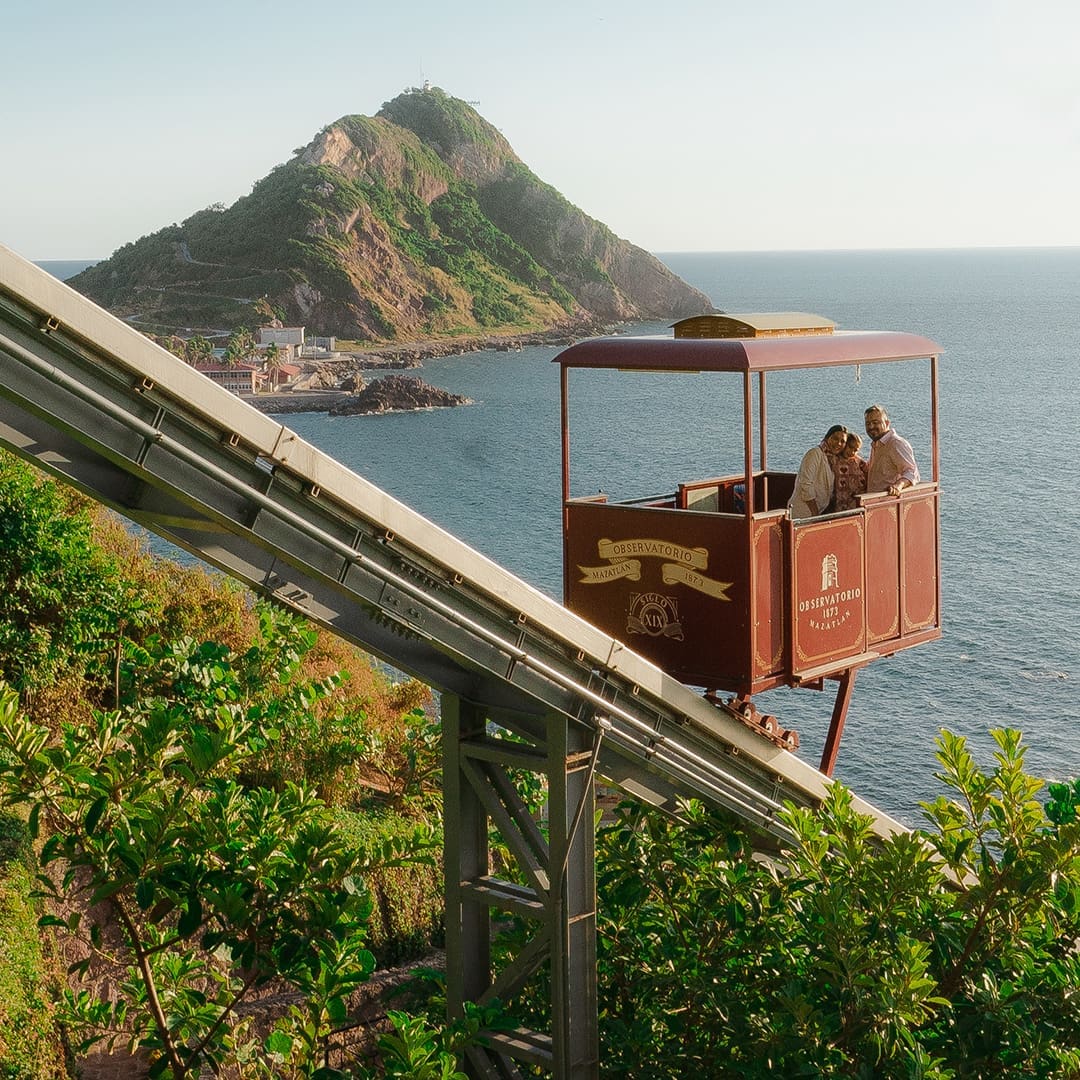
As a leading manufacturer of funicular tram systems, we find hillside lifts fascinating. Though they provide an essential purpose and have been around for over 500 years, chances are you haven’t heard much about them in the news. To spread the word about this fantastic innovation, we are sharing some of the most amazing facts, history, and engineering secrets behind our favorite product.
Before Outdoor Lifts: The Challenge of Steep Slopes
Sloped hills, cliffs, and mountains were daunting formations before they simplified travel. To bring supplies up steep slopes, trains needed to take a meandering route, circling the formation until it reached the summit. A wheeled machine alone didn’t have enough force to make it straight up the hill.
Similar to Elevators and Trains, But Different
Funiculars use a number of design principles from elevators and trains but differ in how they are used. Elevators use a cable and pulley to ascend, and trains use wheels and tracks to move forward. Because a funicular must both ascend and move forward, its design needs to be different. Unlike trains that rely on wheels and a track to ease forward motion, a funicular primarily relies on a cable. Wheels would be unable to climb steep inclines on their own, which is why funiculars only use wheels and tracks to guide the cart up and down. The pulley and cable do all the heavy pulling and lowering.
Where Were They Born?
Once upon a time, on a steep alpine mountainside in Salzburg, Austria, the first funicular was born. The parentage of the invention is unknown, but the 500-year-old Reisszug funicular is actually still in use today. It was originally designed to pull people and supplies up a steep incline through fortress doorways to a castle at the summit. The first system used wood rails and a hemp rope, relying on the muscle power of prisoners and animals to move the cars until modern power sources replaced them in 1910.
Early Ingenuity: Funiculars Before Power
Because machine power wasn’t available centuries ago, architects had to be inventive. To compensate, early funiculars used a two-car counterbalance system to exploit the power of gravity. In the 19th century, water was even used to move them. The car at the top was filled with a container of water, while the bottom car was filled with less water. The weight of the heavier car descending effortlessly pulled the lighter car up the incline! Learn more about how modern funicular manufacturing & installation processes utilizing machine power for maximum efficiency.
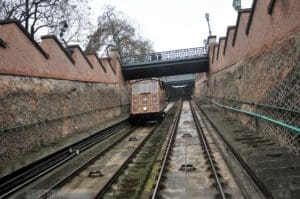
Castle Hill funicular railway, Budapest
The Volcanic Funicular
Funiculars can scale almost any steep incline—including volcanoes. In 1880, the first funicular was placed on Mount Vesuvius. Before it was built, tourists had to do it the hard way: walking, riding horses, or being carried up by sedan chairs. The funicular significantly eased travel, allowing more visitors to safely gaze into the deep crater left by the last eruption.
The Funicular Ruins of Southern California
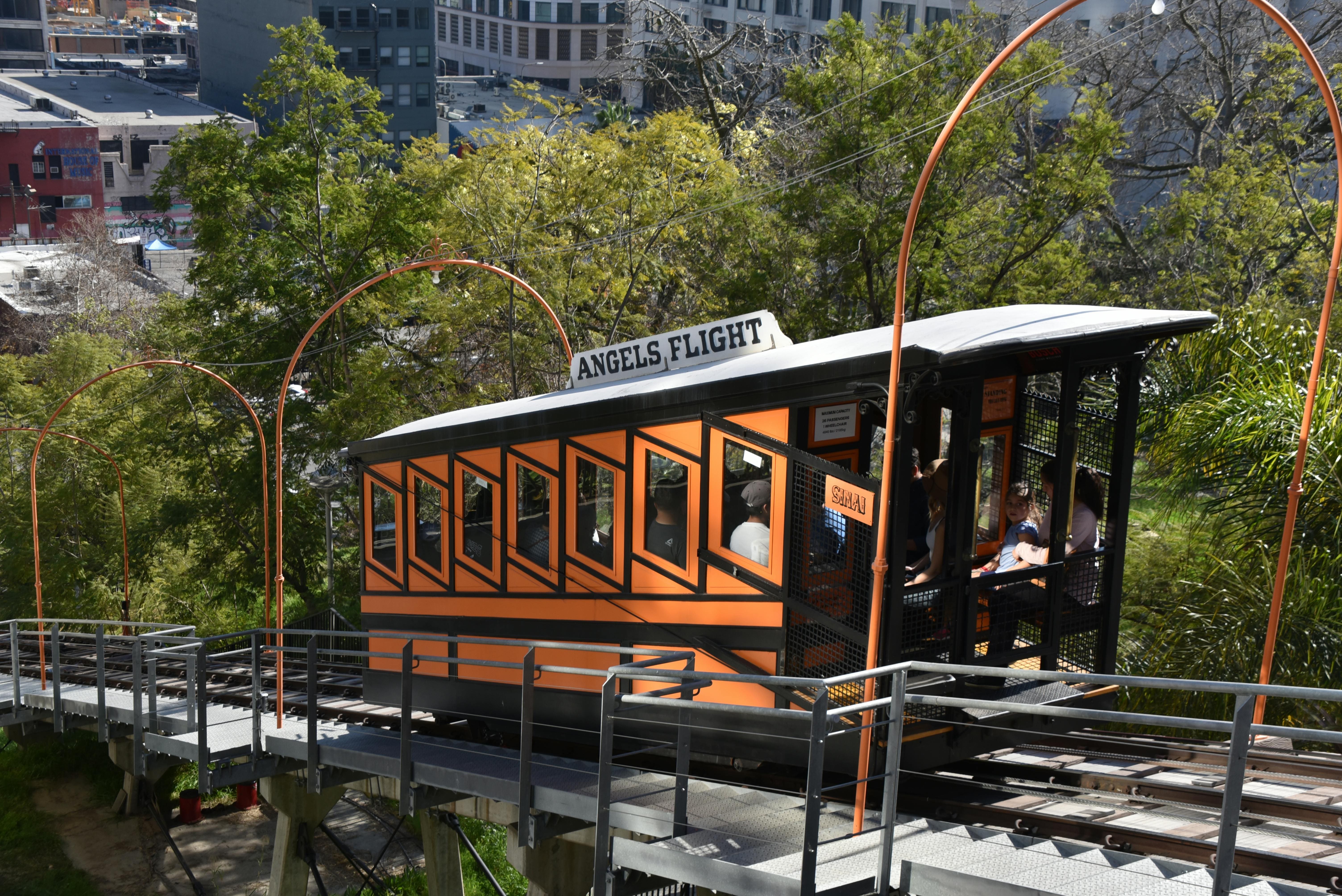
In the early 20th century, funiculars were mainstream transportation in Southern California. Before modern roads, they provided safe and reliable access up steep mountains. The Mount Lowe Scenic Railway climbed the mountains north of Pasadena from 1893 to 1938. Not far from those ruins, you can find the remnants of the Mt. Washington Incline Railway Station, which charged a nickel for riders from 1909 to 1919. In the heart of Los Angeles, the historic Angels Flight operated off and on from 1901 until recently. (Though those are closed, Hill Hiker® has installed many of our modern hillside lift systems in LA —check out our project locations page or our gallery page!)
Hiroshima’s Invincible Trams
On August 6th, 1945, when a nuclear bomb decimated Hiroshima, one of the few things to survive was the city’s tram cars. Astonishingly, the city’s tram system was up and running just three days later to help with the relief effort. One of those very cars still operates today, transporting tourists over the hills of the city as a symbol of redemption. If it is hard to believe how a little tram survived to become a symbol of redemption for the city, you can find out more in this BBC clip.
Riding a Funicular for Fun
Funiculars aren’t all work and no play. In GreenWood Forest Park located in North Wales, visitors can enjoy a funicular roller coaster. It operates much like a traditional funicular, only the ride is designed to be a little more thrilling.
Modern Engineering & Design
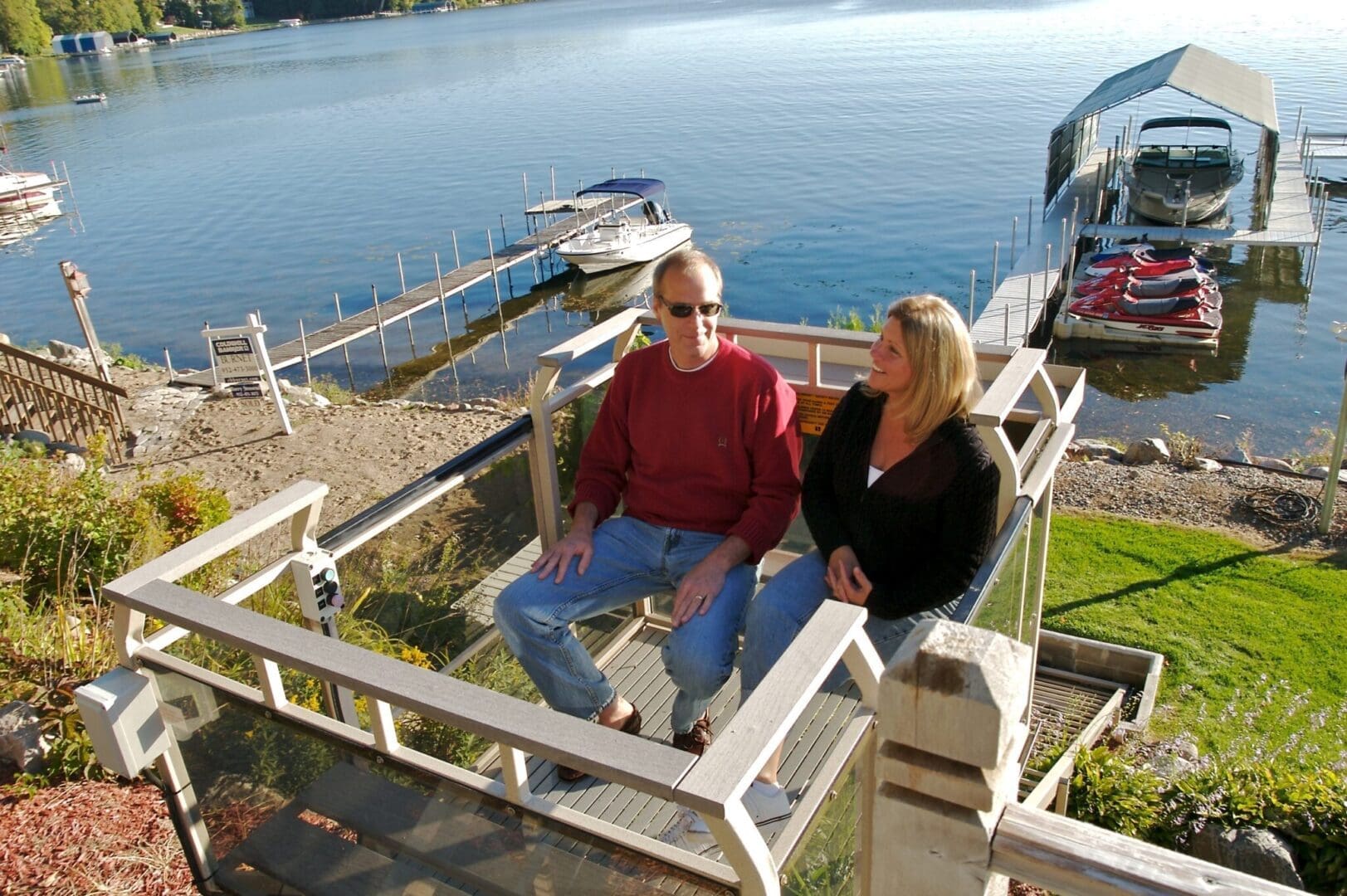
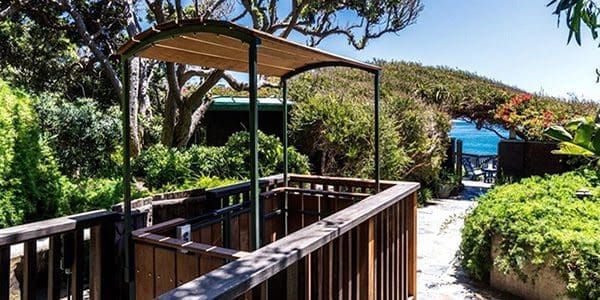
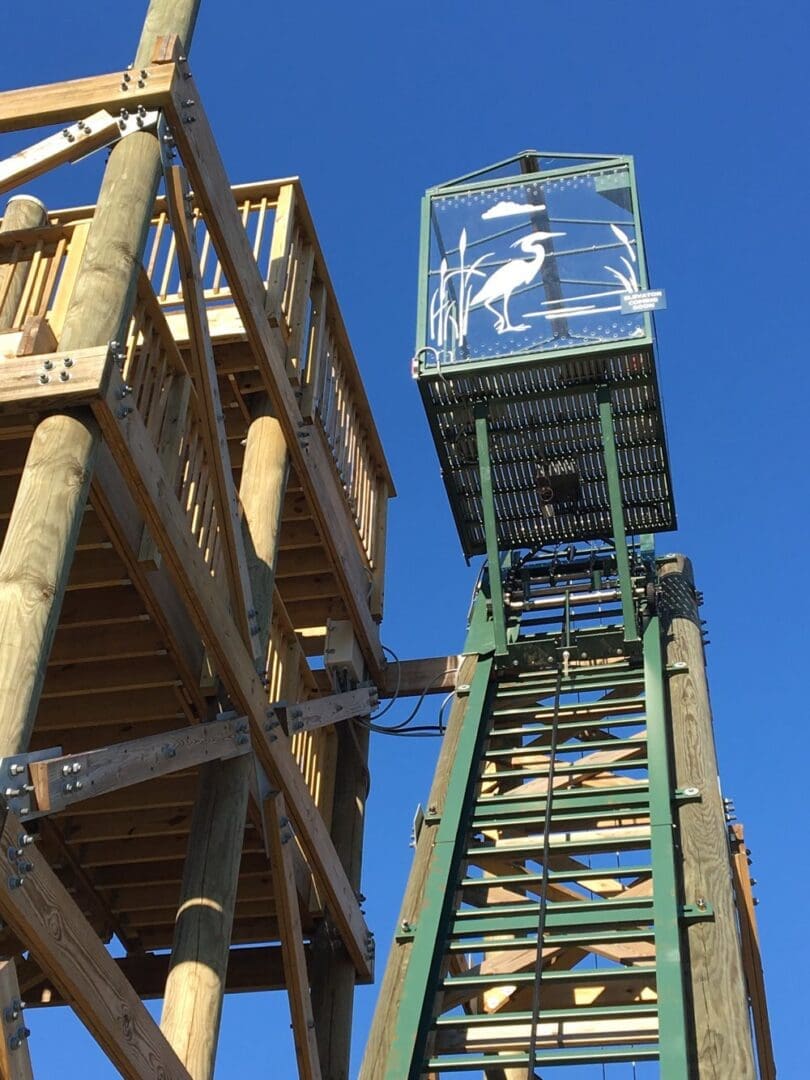
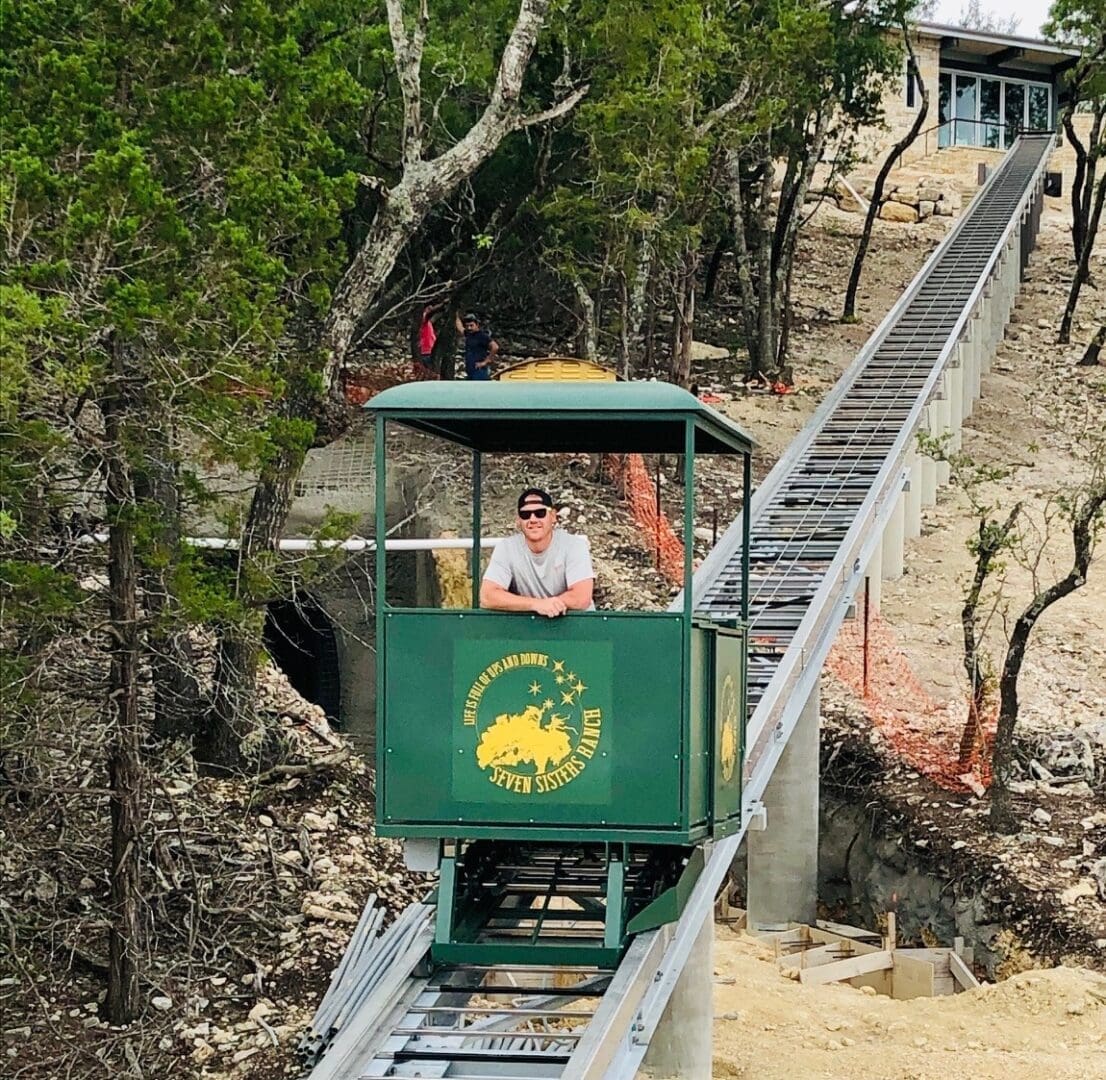
Today, outdoor lifts don’t necessarily need the two-car counterbalance system, as modern engineering and machine power easily brings a single car up and down. At Hill Hiker®, we use only the best materials—like galvanized, powder-coat painted, or stainless steel—paired with the best motors on the market to withstand rough terrain and harsh weather. Because every slope is different, our systems are custom-built to match each individual project’s grade, capacity, and environmental needs.
We hope you enjoyed these fun facts about our favorite thing! To learn more about the residential custom funiculars we provide for your home or the commercial inclined elevator systems for your business, or organization, check out our manufacturing process or contact us today.